
2. Payment details
Rent collection (1 month)
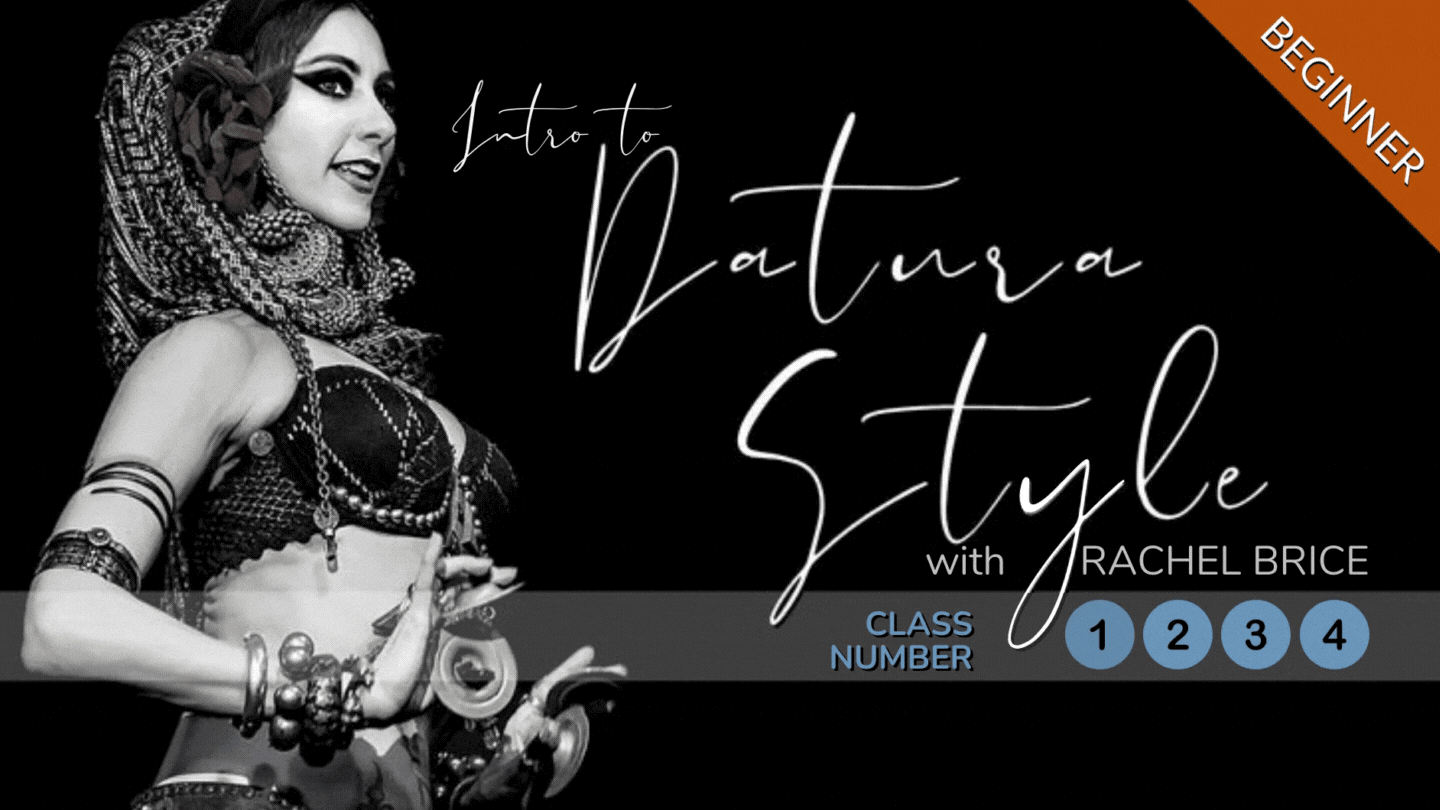
Intro to Datura Style Belly Dance with Rachel Brice
The first class in this series is on us, enjoy!
Note for the first class: Movement practice begins after 13 minutes, preceded by a brief talk.
____________________
Series Overview:
In this 4-class series, Rachel breaks down technique for Datura style and details the style's development from the time it came to the US from Egypt.
This series was made with beginners and teachers in mind: The fundamentals are suitable for any level, and the anatomical and lineage references were created so you can to revisit and reinforce the anatomy and biomechanics info for teaching purposes.
Rachel's goal was to create a series that could be used as an ongoing resource, and as your practice develops you may get different things out of the series.
Each class focuses on a region of the body and type of movement. We repeat that movement slowly and finish each class with a drill using what we've learned.
Each class begins with a warm up and ends with a cool-down.
Topics:
- Class 1: A full intro to the lineage, Hip Bumps, Taksim*(figure 8 down), Ghawazi-inspired prep, Glute Locks, and a drill.
- Class 2: Chest lifts, Rib Cage lifts, Wave Step (formerly called Arabic step), Inverted Wave Step, and Bodywaves.
- Class 3: Basic Pivots, Pivot Bumps, Maya (figure 8 up) and jewel scale
- Class 4: Side movement in ribs, Sidewinder, Side-to-Side Undulation, and Queen of the Damned.
____________________
Music for this Series:____________________
____________________
*Taksim (taqsim, taxim) means "division", "partition", or "distribution" in Turkish, Arabic, Persian and Urdu and is often used to describe a style of musical improvisation in Balkan and Middle Eastern music.
The name was most likely given to this hip movement in the US because it's often performed during a slow, improvisational musical solo, but the movement itself is not actually a "Taksim" in its native languages.
Order Summary
Total
USD $12.99
for 1 month rental